Intestinal Permeability
1. Root Cause Overview
Intestinal permeability ('leaky gut') describes a breakdown in the integrity of the intestinal epithelial barrier, allowing luminal antigens, bacterial endotoxins (LPS), and undigested food particles to translocate into the systemic circulation. This triggers systemic immune activation, chronic low-grade inflammation, and is implicated in autoimmune disease, food sensitivities, metabolic endotoxaemia, neuroinflammation, and mood disorders. Key drivers include dysbiosis, NSAIDs, alcohol, gluten (in susceptible individuals), stress, nutrient deficiencies, and environmental toxins.
2. Common Signs & Symptoms
- Multiple food sensitivities (worsening over time)
- Bloating and abdominal discomfort after meals
- Chronic fatigue and brain fog
- Skin conditions: eczema, psoriasis, urticaria
- Joint pain and systemic inflammation
- Autoimmune disease or elevated autoimmune markers
- Mood disturbances: anxiety, depression
- Nutritional deficiencies despite adequate intake
- Recurrent infections (impaired gut-immune barrier)
- Elevated anti-LPS, anti-occludin, or anti-zonulin antibodies on serum testing; elevated lactulose/mannitol ratio on urine permeability testing
3. Labs to Consider
CBC/CMP, vitamin D, zinc/iron/B12 status, stool markers when available, celiac serology when indicated.
Choose the lab option based on what you want to assess within this root cause.
Gut Zoomer
Vibrant Wellness
4. Clinical Priorities
Assess for and address potential contributors to barrier dysfunction, such as food reactions, NSAID use, alcohol, chronic stress, dysbiosis, infection, and nutrient insufficiency. A structured elimination diet can help clarify whether foods are relevant in a given case. Support gut lining repair with targeted nutrients, and reintroduce microbiome support as appropriate while correcting deficits such as zinc, vitamin D, and vitamin A that influence tight junction integrity.
Where to Start: Top 2 Supplements
The primary fuel source for enterocytes and the most direct gut-lining repair agent available. Reduces intestinal permeability markers, improves villus integrity, and is the foundational 'repair' supplement in any leaky gut protocol. Start here.
The most clinically validated supplement for tight junction stabilisation. RCT evidence shows significant reduction in lactulose/mannitol ratio (permeability marker). Also supports H. pylori eradication and mucosal healing. Synergistic with L-Glutamine.
5. Diet Strategy
Implement a 4–6 week elimination diet removing gluten, dairy, soy, eggs, corn, and processed foods. Emphasise gut-healing foods: bone broth (collagen/glycine), cooked vegetables, fermented foods (when tolerated), and anti-inflammatory fats. Ensure adequate zinc from animal proteins, pumpkin seeds, and shellfish. Avoid alcohol, NSAIDs, and excessive caffeine. Reintroduce foods systematically after the healing phase.
6. Lifestyle Strategy
Manage psychological stress rigorously — cortisol directly increases gut permeability via mast cell activation. Prioritise 7–9 hours of sleep. Avoid unnecessary NSAIDs and PPIs. Regular moderate exercise supports gut barrier integrity. Reduce environmental toxin exposure (pesticides, plastics). Practice mindful eating: chew thoroughly, eat in a relaxed state, avoid eating under stress.
7. Supplement Strategy
Full supplement list below. See Section 4 (Clinical Priorities) for the recommended Top 2 starting supplements. Add additional supplements based on lab results and clinical response at 4–6 week reassessment.
| Supplement | Dosage | Indication | Evidence | Key Results | Example |
|---|---|---|---|---|---|
| L-Glutamine [1] Generally well tolerated; theoretical concern in patients with seizure disorders or hepatic encephalopathy | 5–10 g/day in divided doses (powder form) | Primary fuel for enterocytes; tight junction repair; villus integrity | Animal and human clinical studies | Reduced intestinal permeability markers; improved villus height and crypt depth; reduced gut inflammation | Thorne L-Glutamine Powder |
| Zinc Carnosine [2] Nausea if taken without food; long-term high-dose zinc depletes copper — monitor | 75–150 mg/day (37.5–75 mg elemental zinc) | Tight junction stabilisation; mucosal healing; H. pylori adjunct | RCT | Significantly reduced intestinal permeability (lactulose/mannitol ratio); improved gut mucosal integrity | Integrative Therapeutics Zinc-Carnosine |
| Vitamin D3 [3] Hypercalcaemia at excessive doses; always test and monitor serum 25-OH-D | 4,000–10,000 IU/day (titrate to serum level) | Tight junction protein expression (claudin, occludin); gut immune modulation | Cell culture and clinical studies | Upregulated tight junction protein expression; reduced intestinal permeability in IBD patients | Thorne Vitamin D/K2 |
| Quercetin [4] Generally well tolerated; rare headache; avoid high doses in pregnancy | 500–1,000 mg/day | Tight junction assembly; mast cell stabilisation; anti-inflammatory | In vitro and animal studies with clinical evidence | Enhanced tight junction protein expression; reduced epithelial permeability; mast cell stabilisation | Pure Encapsulations Quercetin |
| Colostrum (bovine) [5] Dairy-derived — avoid in severe dairy allergy; mild GI adjustment in first week | 2–10 g/day | IgA secretion support; gut mucosal repair; growth factor delivery (IGF-1, TGF-β) | RCT | Reduced gut permeability in athletes; improved mucosal IgA; enhanced gut repair markers | Sovereign Laboratories Colostrum-LD |
| Sodium Butyrate [6] Mild GI discomfort initially; generally well tolerated | 300–600 mg/day (enteric-coated) | Colonocyte fuel; tight junction upregulation; anti-inflammatory SCFA | Animal and human studies | Improved colonocyte energy metabolism; reduced gut permeability; downregulated NF-κB in colonic epithelium | BodyBio Butyrate |
8. Safety Notes
Do not diagnose 'leaky gut' without objective markers — the term is not a standalone diagnosis. Celiac disease must be ruled out before a gluten-free diet is initiated. Refer for unexplained weight loss, rectal bleeding, or markedly elevated calprotectin. High-dose zinc supplementation requires copper monitoring. Colostrum is contraindicated in severe dairy allergy.
9. Citations & References
- [1]L-GlutamineRao R, Samak G. Role of glutamine and interplay of glutamine and leucine in intestinal barrier function. Curr Mol Med. 2012;12(2):252–265.View source
- [2]Zinc CarnosineMahmood A, FitzGerald AJ, Marchbank T, et al. Zinc carnosine, a health food supplement that stabilises small bowel integrity and stimulates gut repair processes. Gut. 2007;56(2):168–175.View source
- [3]Vitamin D3Kong J, Zhang Z, Musch MW, et al. Novel role of the vitamin D receptor in maintaining the integrity of the intestinal mucosal barrier. Am J Physiol Gastrointest Liver Physiol. 2008;294(1):G208–G216.View source
- [4]QuercetinSuzuki T, Hara H. Quercetin enhances intestinal barrier function through the assembly of zonula occludens-2, occludin, and claudin-1 and the expression of claudin-4 in Caco-2 cells. J Nutr. 2009;139(5):965–974.View source
- [5]Colostrum (bovine)Playford RJ, Macdonald CE, Johnson WS. Colostrum and milk-derived peptide growth factors for the treatment of gastrointestinal disorders. Am J Clin Nutr. 2000;72(1):5–14.View source
- [6]Sodium ButyratePeng L, Li ZR, Green RS, Holzman IR, Lin J. Butyrate enhances the intestinal barrier by facilitating tight junction assembly via activation of AMP-activated protein kinase in Caco-2 cell monolayers. J Nutr. 2009;139(9):1619–1625.View source
Ask AI About This Protocol
Related Mini-Training
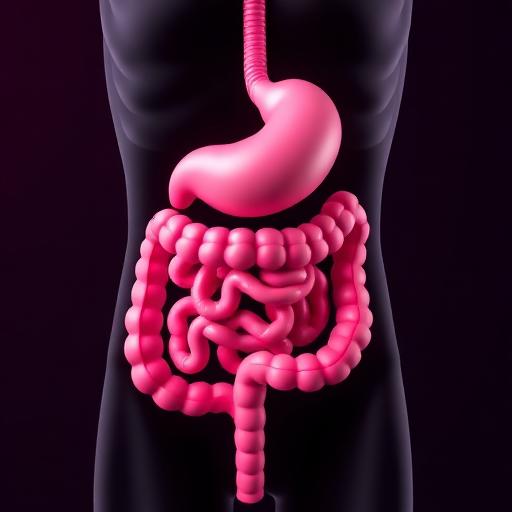 12:18Functional Gastroenterology Quick Start
 9:47SIBO: Causes, Testing & Treatment
 10:15Anti-Inflammatory Nutrition